
Revd Matt Allen || 18 September 2024
Going for a Jolly
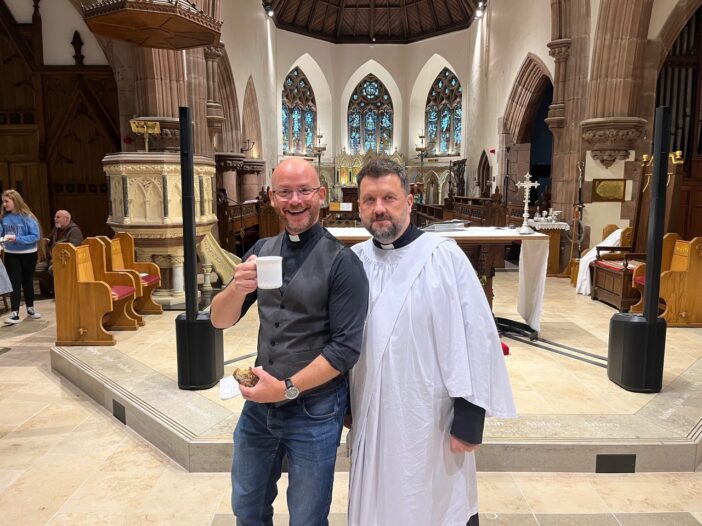
It always feels like a special time of the year when we begin meeting in our teaching centres and start a new season of learning and formation. For me this past week has felt particularly momentous because I spent the weekend on the Isle of Man attending ordination services. In some ways, the past weekend was filled with fun. It was great seeing members of my old Formation Group and catching up with friends and colleagues based on the Isle of Man. It was an honour to preach at the priesting of Joanna, one of our former Emmanuel students. It was also good to be there to cheer on Ian, another Emmanuel alumnus, as he was ordained Deacon.
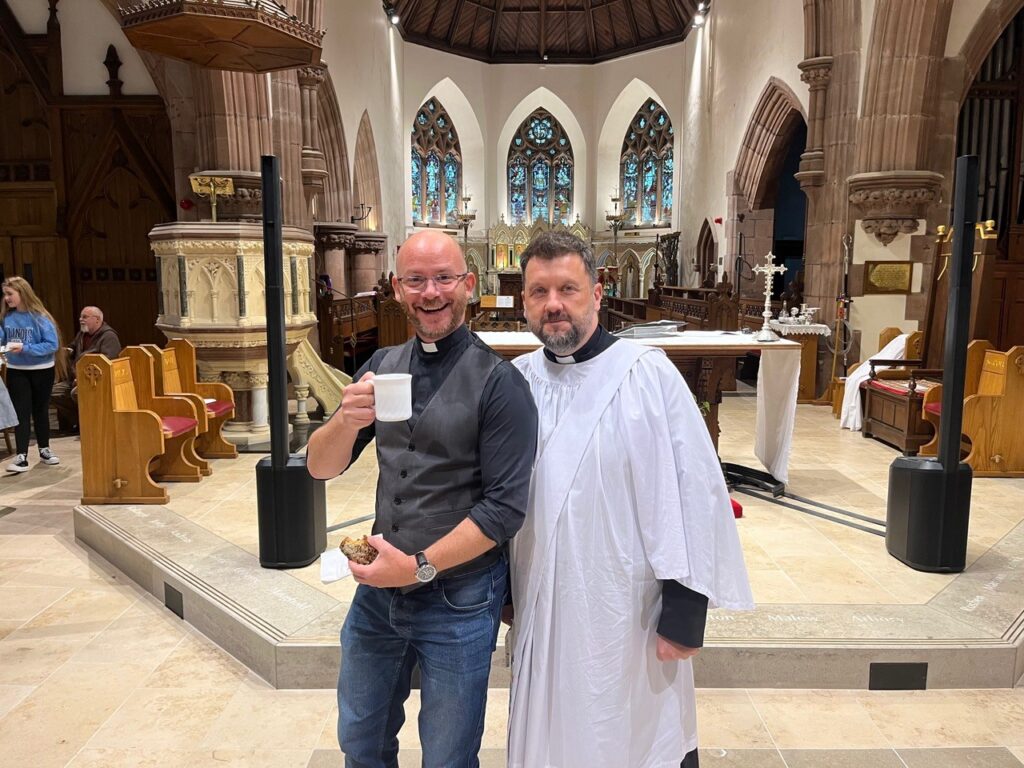
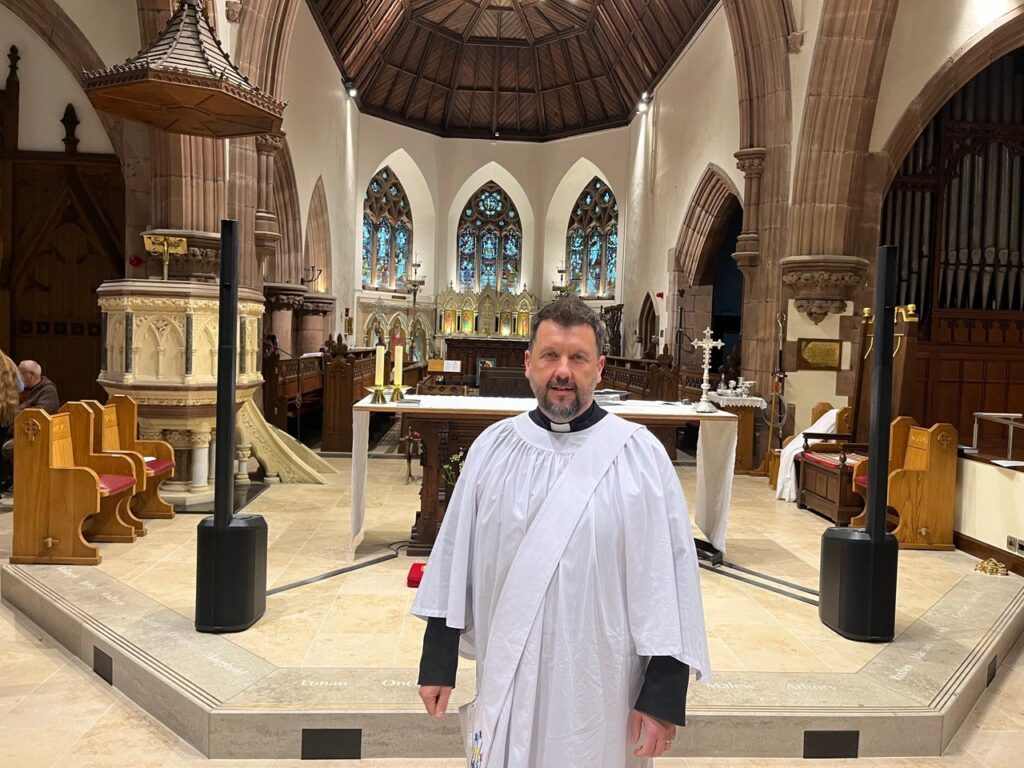
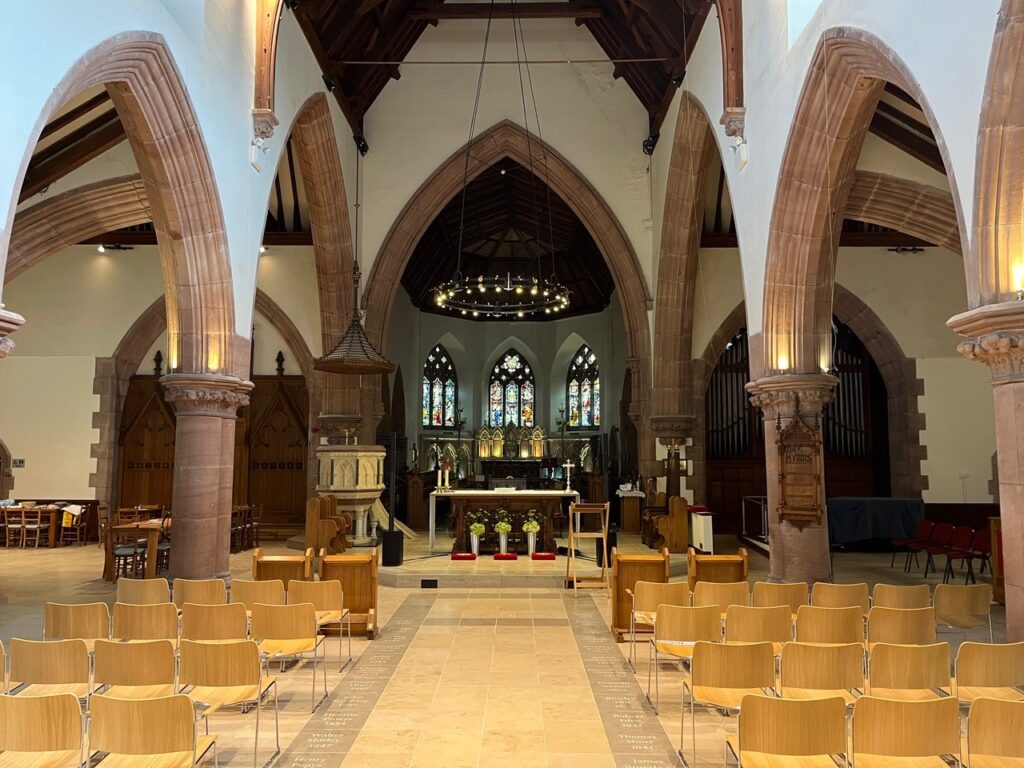
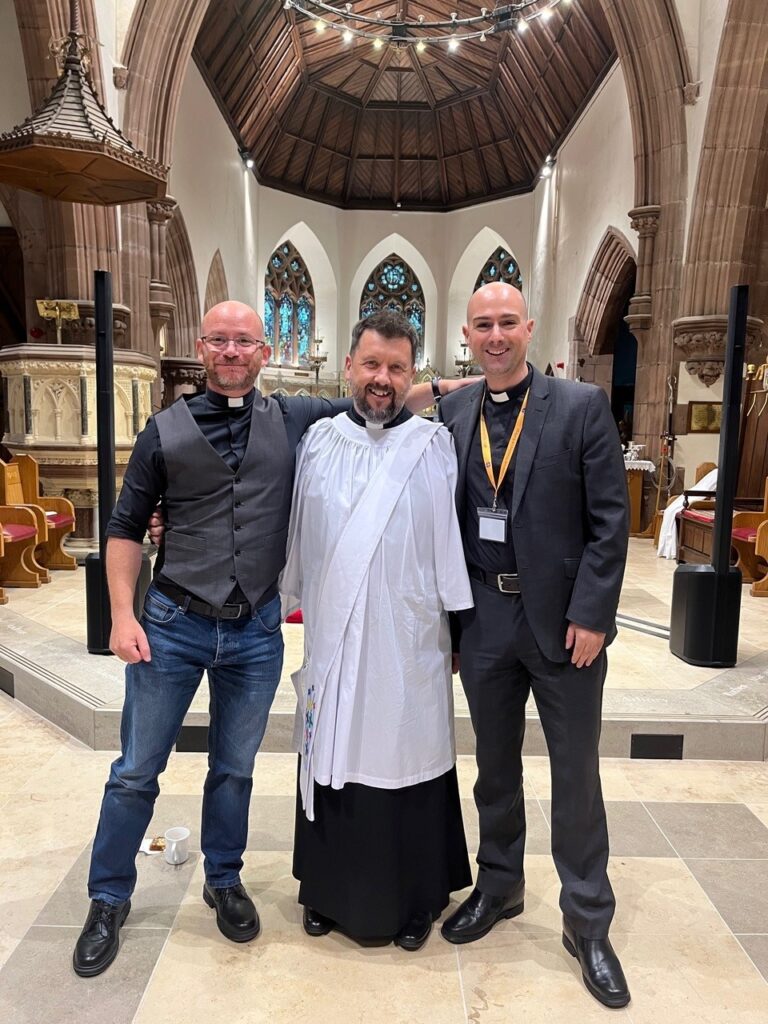

Unlike some of our larger partner dioceses, where many people are ordained together, the services I attended at St German’s Cathedral in Peel had a more personal and intimate tone. When the candidates made their responses, they did so as a lone voice. It was humbling to consider afresh the significance of what might lie ahead for each of them as a result of what they were committing to at those services. Amidst the celebration and joy, the seriousness of the occasion was not lost. I have since found myself reflecting on one of the readings from Ian’s Ordination of Deacon’s service – Philippians 2.1-11.
Going out of your way
You may recall that the Apostle Paul had been to the city of Philippi with some others in Acts. They had told people the good news about Jesus and planted a church. One of the people Paul met in Philippi was Lydia, a businesswoman who became a prominent leader in the early church. The church included a mixed bunch of folk – some rich, most poor. They lived a society where normally you worked out who were in relation to others, by lining yourself up against others and comparing yourself. All the conditions were there for this church to feel disunited. Now Paul wants to go back to speak to this church community, but he is imprisoned. He cannot go there, but he can write. So, he writes about God’s character and invites people to reflect on their own character. Paul shows that the key to their life together is the self-emptying and self-humbling nature of God, which they need to emulate.
Paul writes: “Do nothing from selfish ambition or conceit, but in humility regard others as better than yourselves. Let each of you look not to your own interests, but to the interests of others.” The word Paul uses for “look” means literally something like “scope out”. It doesn’t mean to simply notice the needs of others around you as you happen to come across them. The word Paul uses means seek out opportunities for discovering the needs of others. It is not about who you encounter as you make your way. It is about going out of your “way” – going out of “my way”. This is the charge Paul gives to all believers. All of this is not just nice moral advice. As Paul writes to the Philippians, he reminds them that this is how God’s love is made visible. It is how God works. It is exactly what we see in Jesus, and Paul reminds of this with a song.
Going for a song
There are many examples of songs which speak into their generation, like Dame Vera Lynn’s “We’ll meet again” during WWII or Joan Baez singing “we shall overcome” amidst the Civil Rights Movement. In Philippians 2.6-11 we find a song more hopeful and more powerful than any other song in history. It is about Jesus, who is God, yet emptied himself of himself to be a slave.
He was humbled and humiliated.
He was executed, exterminated.
Then victorious and vindicated and with God he is venerated.
From top to bottom and back to front.
From there and back again, Jesus is the model of self-emptying and self-humbling who turns upside down all ideas of honour and status, shame and humiliation, as the Lord of all comes to earth and becomes a no one, a nobody, a nothing, to nail our brokenness to a cross.
Jesus’s song of real humility and genuine service does something to people. At the service I attended it did something to me afresh by showing that the root of every human disconnection, every social injustice is opposite attitude. In my life it is the me-centre meagreness of my heart and the scarcity of true love and self-giving where I only like humility when someone is watching, I only like serving when it is noticed, and I do not look hard enough for the needs of others.
In see Jesus we see something truly different, something utterly of God. The one who knelt on the floor as the least, we bend the knee to as the greatest. And when you glimpse the real thing, and its beauty, it is hard to imagine dancing to anyone else’s tune. As follows of Jesus we are caught up in this hymn because we are captured by him. Jesus has given us a life-giving and life-changing, hopeful and powerful song where it is in losing ourselves that we find ourselves. As we come together as a new community in Emmanuel Theological College and get going on the term, my prayer is that we might lose ourselves afresh, ready to find joy, recognise the needs of each other, and keep looking to Jesus.
Matt Allen


